

Complete and In-depth Analysis of Jewelry Electroplating Technology: Principles, Process, Types of Plating Layers, Quality Assessment, and Care Guide - Preface
Preface
Electroplating is the most core, critical, and indispensable surface treatment process in modern jewelry manufacturing. Whether it's 925 silver, brass, alloys, or stainless steel jewelry, almost all require electroplating to achieve stable color, long-lasting luster, enhanced oxidation resistance, and a premium texture.
Many consumers have misunderstandings about electroplating:
Believing that 'electroplating is cheap goods', 'electroplated items will definitely fade', and 'electroplated jewelry is unsafe'.
In fact, electroplating is also widely used in high-end luxury jewelry. Electroplating is not a symbol of cheapness; instead, it is a necessary technique to enhance the quality, durability, and aesthetic appeal of jewelry.
This article will comprehensively, systematically, and in-depth explain the jewelry electroplating process from aspects such as principles, procedures, types of plating, quality assessment, and maintenance methods.
What is jewelry electroplating?
Electroplating is a process that uses electrolysis to evenly deposit one metal onto the surface of another metal.
In short:
Apply an ultra-thin, dense, and stable metal protective coating to the metal jewelry.
The functions of electroplating include:
- Prevent oxidation, discoloration, and rusting
- Enhance luster and texture
- Enable jewelry to display various colors (such as gold, rose gold, white gold, gunmetal black, etc.)
- Increase surface hardness and wear resistance
- Reduce the allergy rate
- Elevate product quality and perceived value
Without electroplating, most silver jewelry turns black within a few days; alloy jewelry will directly oxidize and discolor; stainless steel cannot achieve a多彩高级质感 (multicolored, high-end texture).
II. The Scientific Principles of Electroplating (Easy-to-Understand Version)
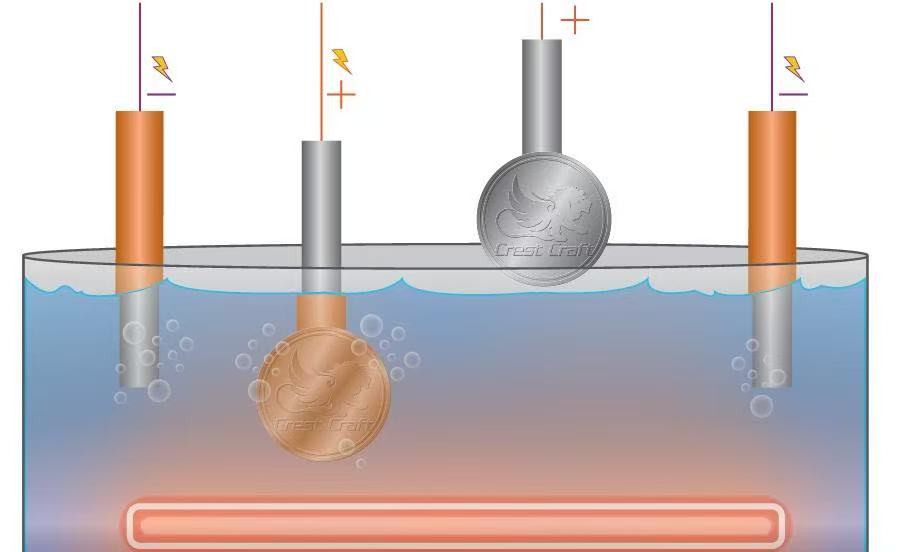
Electroplating is based on electrolytic reactions:
- Use the jewelry to be electroplated as the cathode (negative electrode).
- Use the target metal (such as gold, rhodium, silver, copper, etc.) as the anode (positive electrode).
- Place both in an electroplating solution containing metal ions.
- After applying electricity, the anode metal slowly dissolves into ions.
- The metal ions migrate to the surface of the jewelry, gain electrons, and deposit as a uniform metal coating.
Final formation:
A super-thin protective layer that is stable, bright, and has strong adhesion.
The coating thickness usually ranges from 0.02 to 1 micrometers.
The thicker it is, the more durable it becomes, but the higher the cost.
III. Complete Electroplating Process Flow for Jewelry (Most Detailed Version)
Electroplating is not a simple 'soak' process, but a precise industrial procedure involving over 10 steps.
1. Polishing (Base Preparation)
Removes surface burrs, tool marks, and oxidation layers to create a smooth surface, laying the foundation for electroplating.
2. Remove oil
Removes oils, polishing wax, fingerprints, and stains.
Common methods: Ultrasonic degreasing + chemical degreasing
3. Water Washing
Mandatory between each step to prevent cross-contamination of chemicals.
4. Acid Pickling/Activation
Uses mild acid to remove surface oxidation, enhancing metal activity for a more durable plating layer.
5. Undercoat Plating
Different base materials require different undercoats:
• Silver jewelry: Nickel or copper plating
• Copper jewelry: Alkaline copper → Acid copper → Nickel
• Alloys: Nickel undercoat
Purpose: Enhance adhesion, prevent discoloration, and fill surface imperfections.
6. Intermediate Layer (Stability Enhancement)
Improves bonding strength of the plating and ensures a more uniform surface color.
7. Topcoat Plating (Final Color)
Determines the final appearance of the jewelry:
• Rhodium plating (White gold)
• Gold plating
• Rose gold plating
• Silver plating
• Gunmetal black plating
• Antique patina finish
8. Passivation
Increases oxidation resistance and extends color retention.
9. Sealing (Most Impactful on Color Retention)
Immerses in a transparent protective film to prevent corrosion from sweat and chemicals.
Proper sealing doubles color retention time.
10. Drying
Low-temperature drying to avoid water spots and streaks.
11. Quality Inspection
Checks include:
• Uniformity of color
• Presence of pinholes, peeling, or missed plating areas
• Luster
• Adhesion strength
Only qualified items are allowed to proceed to shipment.
Four: Detailed Explanation of the Six Most Common Electroplating Coatings for Jewelry
1. Rhodium Plating — Most Commonly Used for Silver Jewelry
Color: Bright white, cool white, high-end platinum-like
Features:
• Most stable
• Most anti-oxidative
• Most resistant to tarnishing
• High hardness
• Essential coating for silver jewelry
Advantages: Prevents silver from tarnishing, ultra-bright, and luxurious.
Disadvantages: High cost.
2. Gold Plating
Colors: 24K gold, 18K gold
Warm texture, elegant, suitable for gifts.
The thicker the plating, the more durable it is.
3. Rose Gold Plating
Color: Soft pink gold
Extremely skin-friendly, versatile, and beloved by women.
4. Silver Plating
Enhances brightness and anti-oxidation.
Commonly used on alloy base materials.
5. Gun Black Plating
Matte black, edgy, retro, and niche.
Suitable for minimalist, cool, and men's jewelry.
6. Antique Patina Plating
Retro black-silver style, artistic, ethnic, and design-oriented.
V. Why Must High-Quality Silver Jewelry Be Electroplated?
Many people believe that 'pure silver does not need electroplating,' which is a misconception.
The role of electroplating in silver jewelry:
• Prevent Oxidation and Tarnishing
Pure silver will inevitably tarnish when exposed to air and sweat; rhodium plating can effectively slow this down.
• Enhance Luster
Electroplated silver becomes brighter, whiter, and more upscale.
• Prevent Allergies
The plating layer isolates silver ions, reducing the risk of allergic reactions.
• Improve Scratch and Wear Resistance
Higher hardness makes it less prone to scratches.
• Offer More Color Options
Silver jewelry can also be finished in gold, rose gold, and black.
VI. How to Judge the Quality of Electroplated Jewelry? (Understandable for Consumers)
1. Uniform color with no color difference
2. Bright, clean surface with no black spots or pinholes
3. Does not fade or peel off
4. Smooth to the touch
5. Electroplating is present on seams and the back
6. No noticeable fading after wearing for 1–3 months
7. Non-allergenic and does not cause itching
Meeting all the above criteria indicates high-quality electroplating.
VII. Care Methods for Electroplated Jewelry (To Extend Color Retention)
- Do not wear jewelry while bathing, swimming, or soaking in hot springs.
- Avoid spraying perfume, hair spray, or sunscreen directly onto the jewelry.
- Wipe dry immediately after sweating.
- Store in a sealed bag when not in use.
- Do not mix with other jewelry to prevent friction.
- Clean with a soft cloth; do not use silver cleaning solutions. With proper care, electroplated jewelrycan retain its color for 1–3 years or even longer.
VIII. Common Misconceptions About Electroplated Jewelry
Misconception 1: Electroplating = Cheap
Wrong!
Luxury jewelry also extensively uses rhodium plating and gold plating.
Misconception 2: Electroplated jewelry will definitely tarnish
Wrong!
High-quality electroplating combined with proper care can last for a very long time.
Misconception 3: All electroplated jewelry causes allergies
Wrong!
Proper three-layer electroplating with a sealing layer is almost non-allergenic.
Misconception 4: The thicker the plating, the better
Too thick plating is prone to peeling; moderate thickness is best.
IX. Summary
Electroplating is the most core, precise, and important surface treatment technology in modern jewelry manufacturing.
It not only makes jewelry more beautiful and colorful, but also enhances its antioxidant properties, wear resistance, durability, and elevates its sophistication.
High-quality electroplating can multiply the lifespan, texture, and value of a piece of jewelry by several times.
In the future, electroplating will remain a key factor in maintaining the long-lasting beauty of jewelry, whether it is silver, stainless steel, or alloy jewelry.
Choosing a high-quality electroplating process means selecting jewelry that is more durable, more refined, and has a better sense of quality.
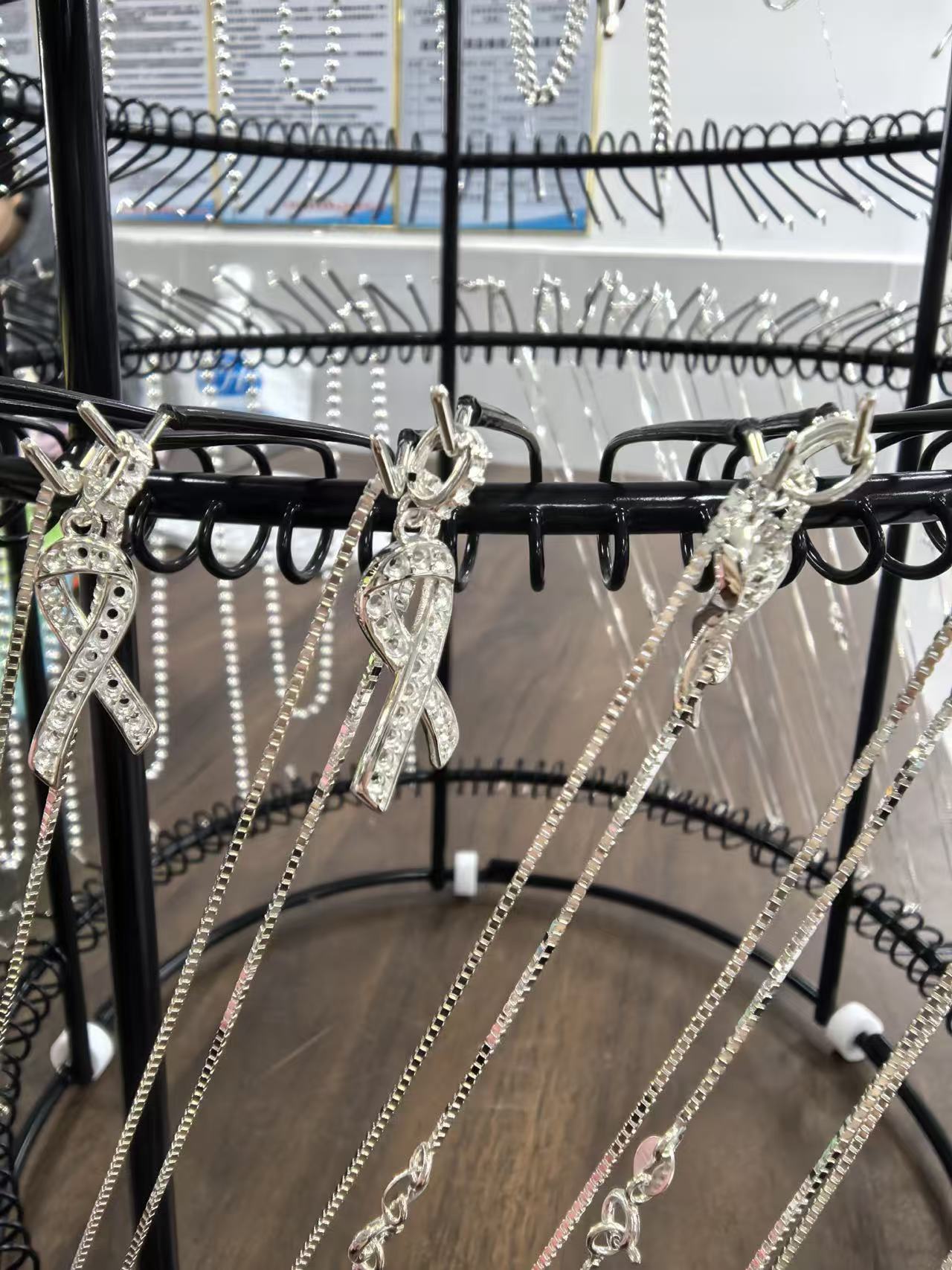
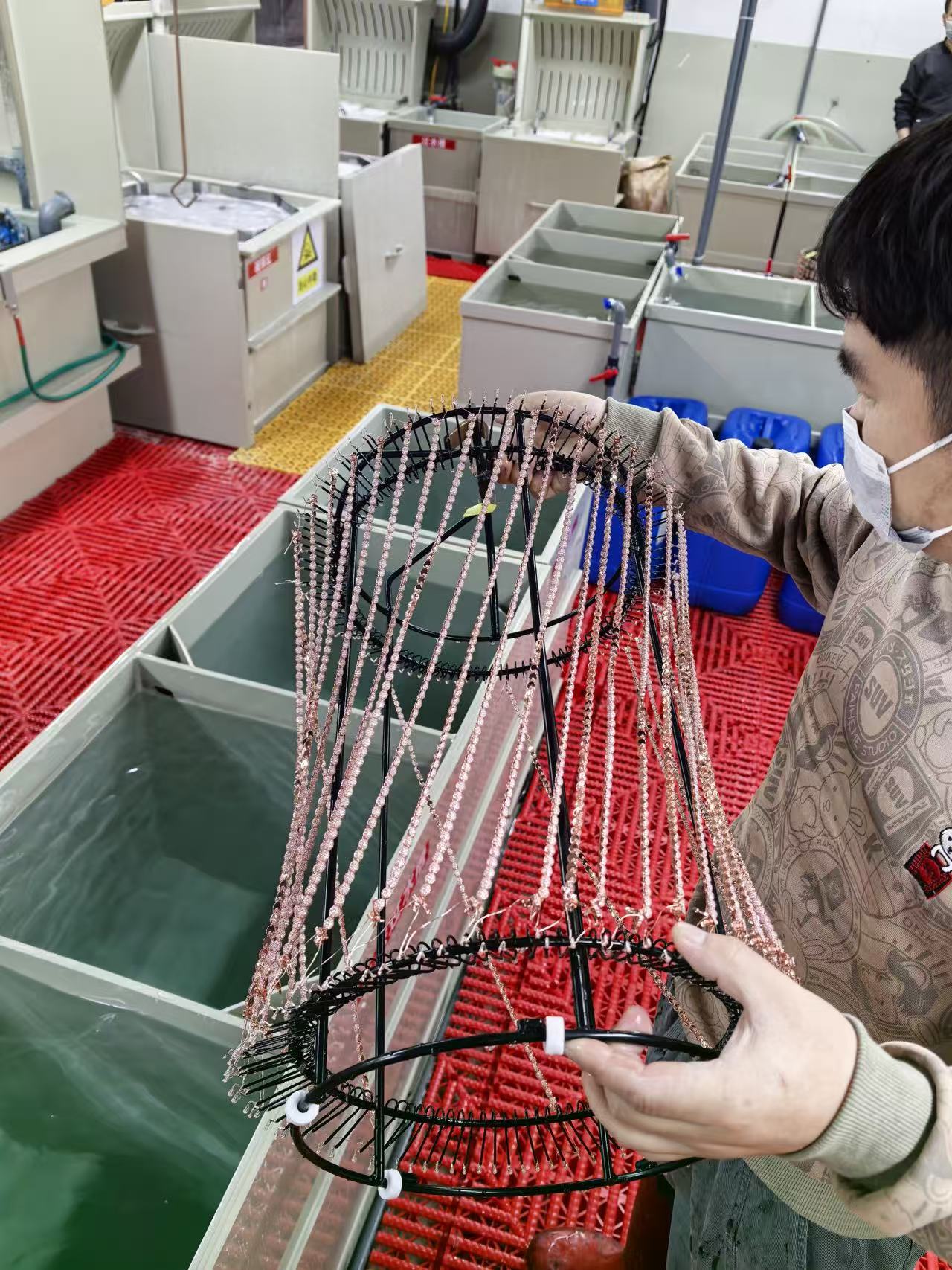
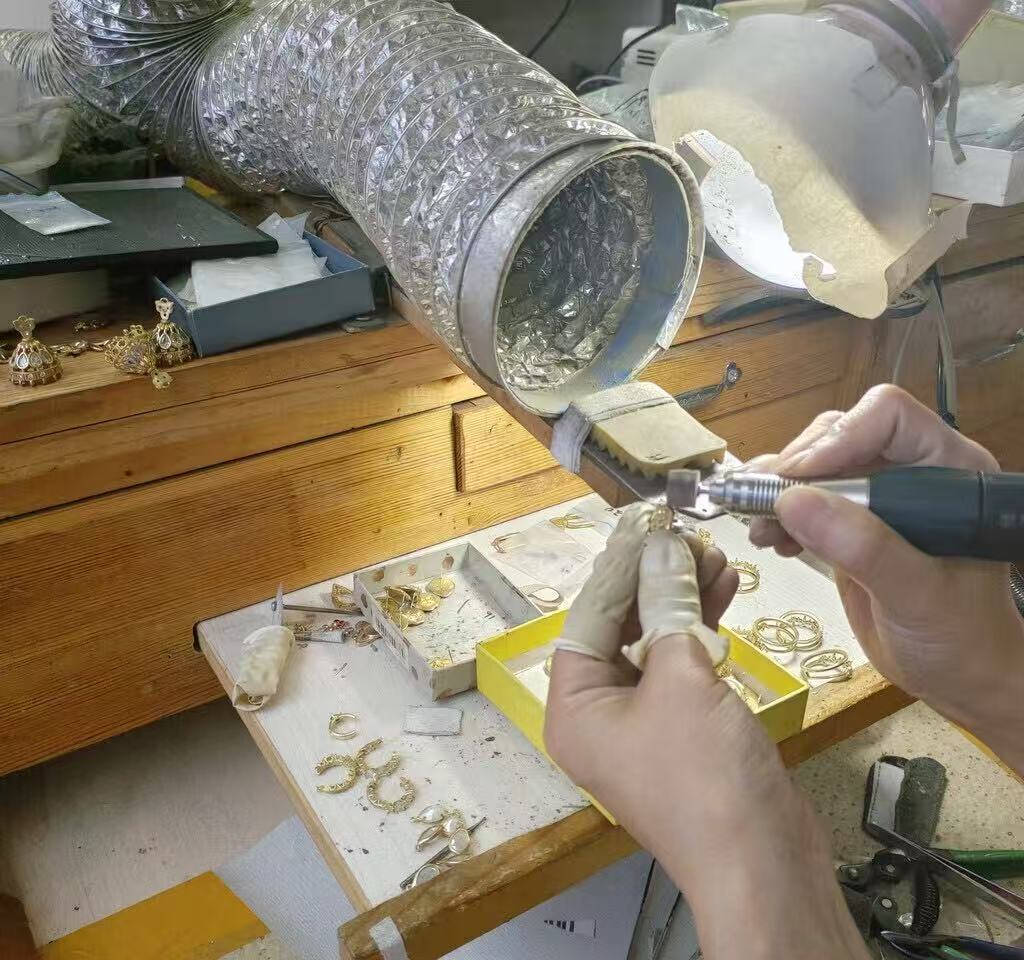
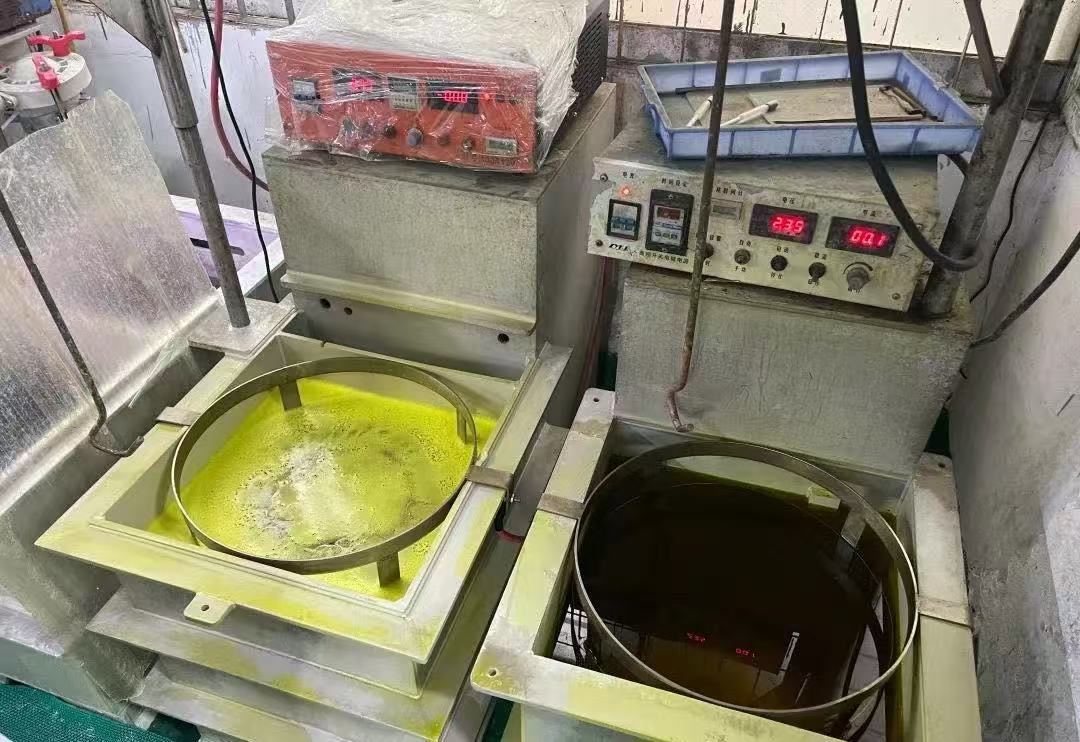
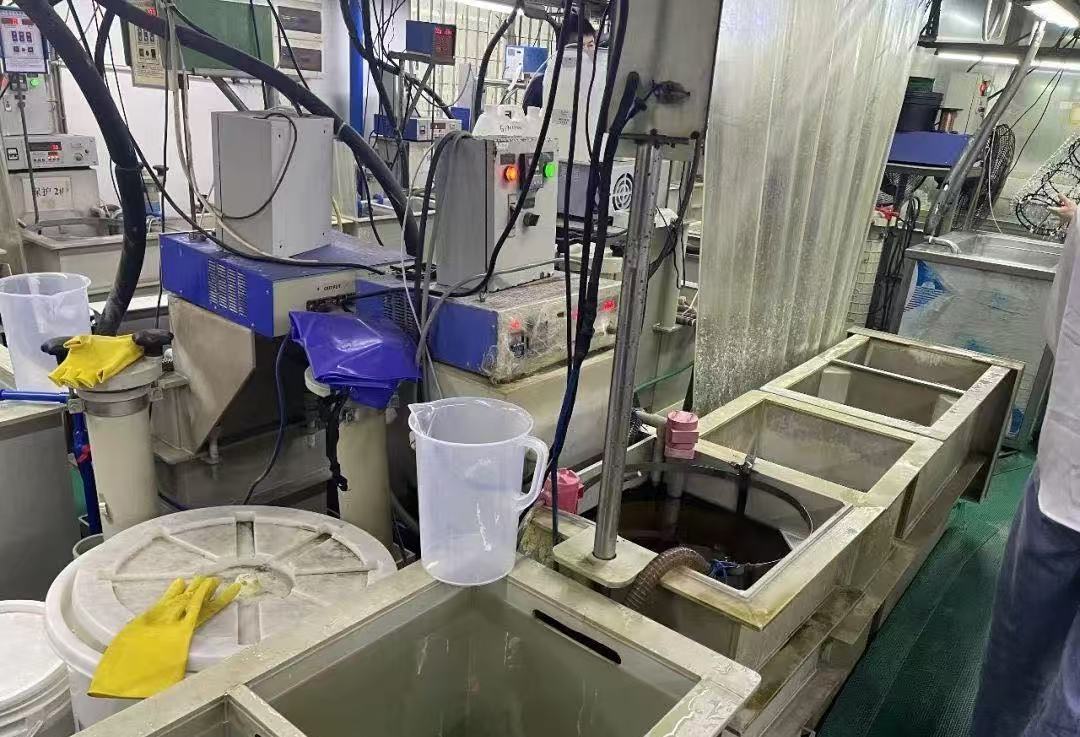
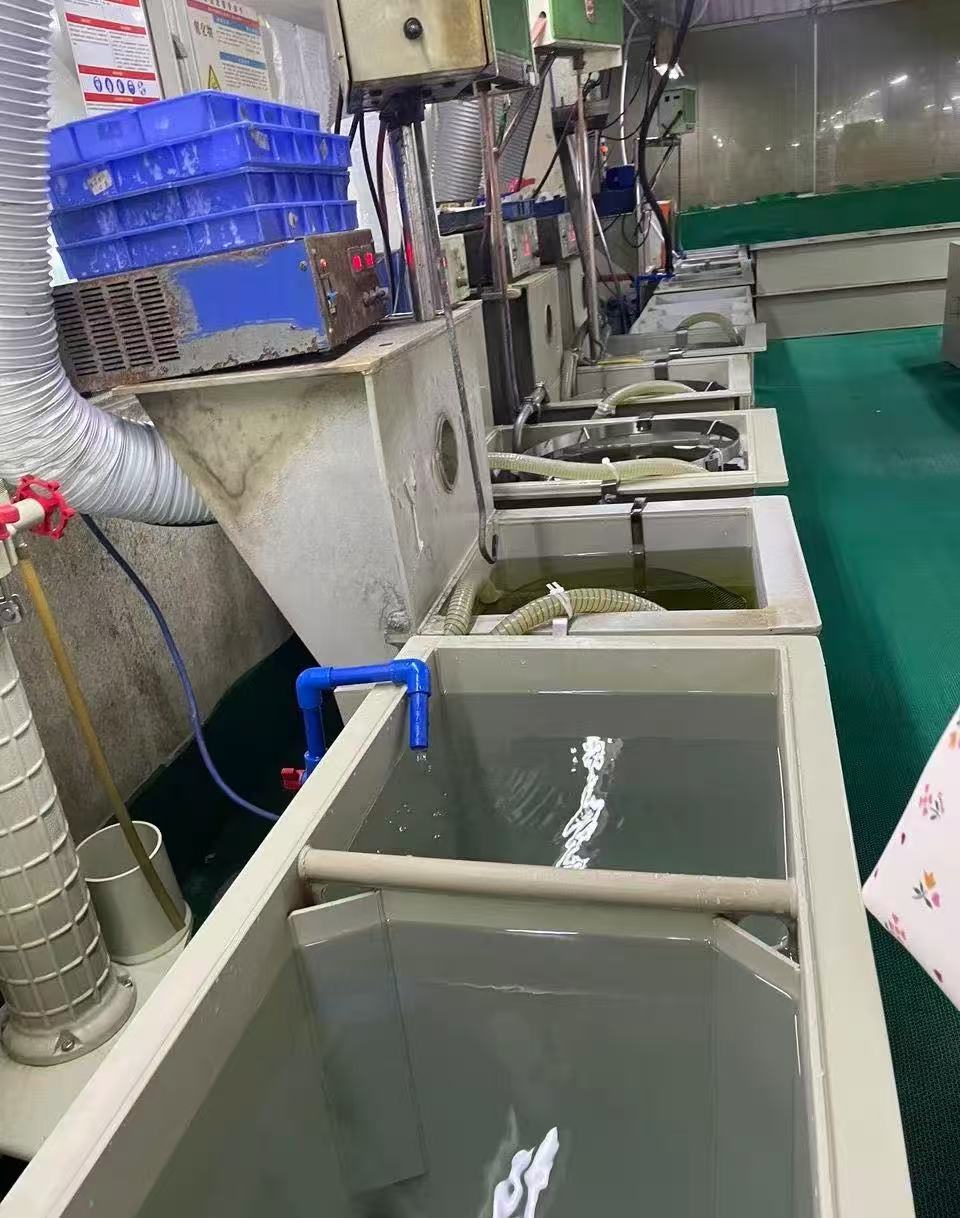
Finally, here are some workshop photos of electroplating factories. Let's take a look together.